Herbal Infused Oils, Calendula Oil and Herbal Balm
Blog Contents
Herbal Infused Oils, Calendula Oil and Herbal Balm
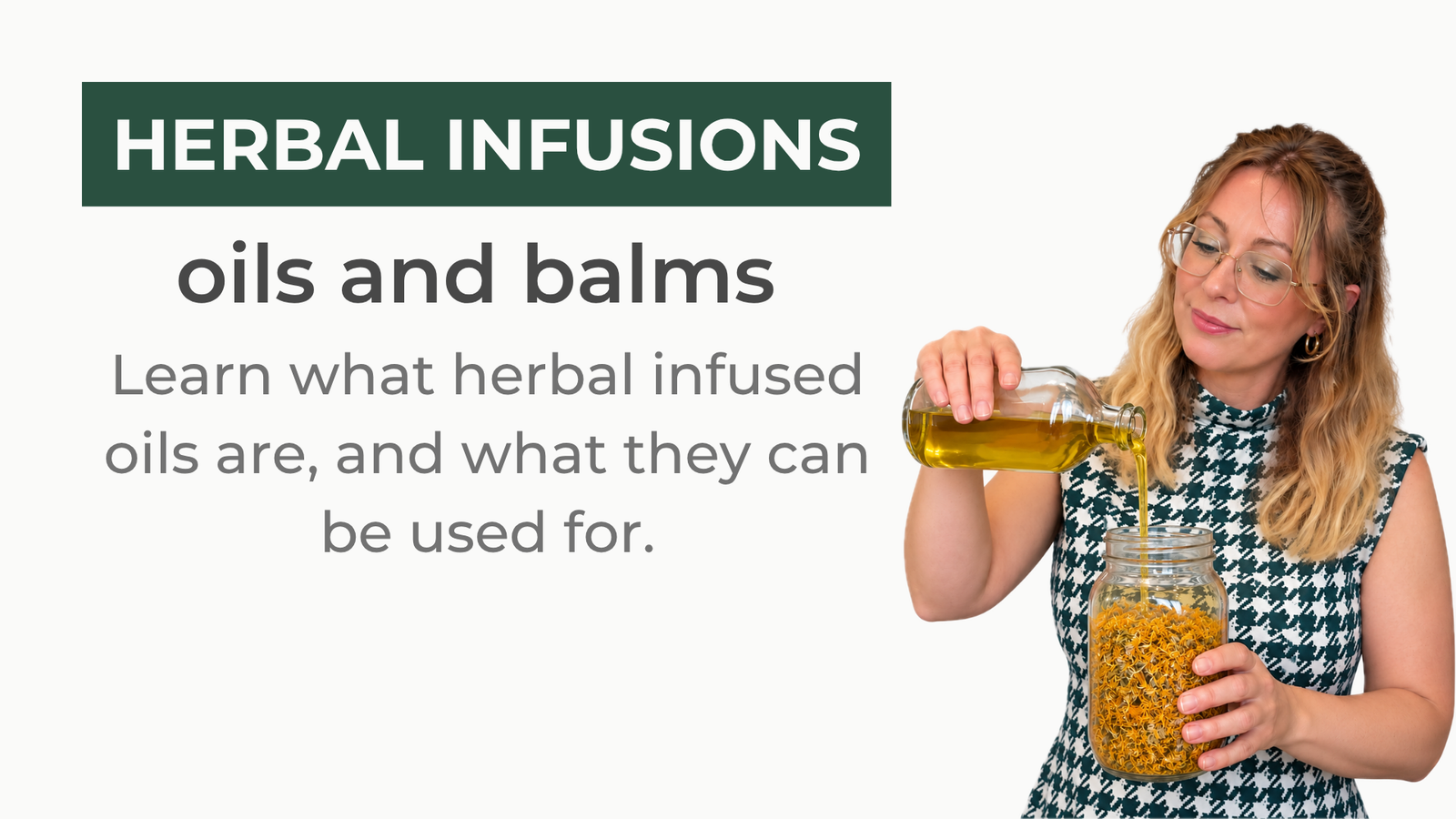
If you enjoy natural skin care, plant-based preparations and traditional apothecary skills, learning how to make herbal infused oils is a wonderful place to begin. These beautiful oils are simple in principle, yet incredibly versatile. They can be used as body oils, massage oils, or as the base for balms, salves, ointments, creams and lip balms.
At Budd’s Herbal Apothecary on Albert Road in Portsmouth, we often meet people who are curious about making more thoughtful choices for their skin and home. Many want to understand what is in their products, how plant materials are prepared, and how to use herbs in a safe, practical and enjoyable way. Herbal infused oils fit beautifully into that conversation because they bring together traditional herbal knowledge, gentle skin care and hands-on creativity.
This guide explains what herbal infused oils are, how they differ from herbal teas, the two main making methods, and how calendula can be used as a classic example in a workshop setting. We will also look at how infused oils can be turned into a simple herbal balm or a natural perfume balm, and why some plant constituents are better drawn out into oil while others are better extracted into water.
What Are Herbal Infused Oils?
Herbal infused oils are made by macerating fresh or dried herbs in a carrier oil so that the plant’s fat-soluble constituents are encouraged to move into the oil. In simple terms, the herb is placed into an oil such as olive, sunflower, almond or jojoba oil, then left for a period of time or gently warmed. The finished oil carries some of the plant’s aromatic and fat-loving qualities, making it suitable for external use.
This is different from a herbal tea. A tea, sometimes called an infusion, uses hot water to draw out water-soluble compounds from leaves, flowers, roots or seeds. Herbal teas are usually made fresh, enjoyed internally where appropriate, and have a short shelf life. An infused oil, by contrast, is designed for longer-term storage and is generally used externally on the skin.
This distinction is useful because plants are complex. Some constituents are more available in water, while others are more available in fat. Understanding that difference is one of the key principles in herbal preparation. It helps explain why herbalists use different methods, including teas, tinctures, infused oils, creams and balms, depending on the plant, the person and the intended use.
Why Herbal Infused Oils Are So Versatile
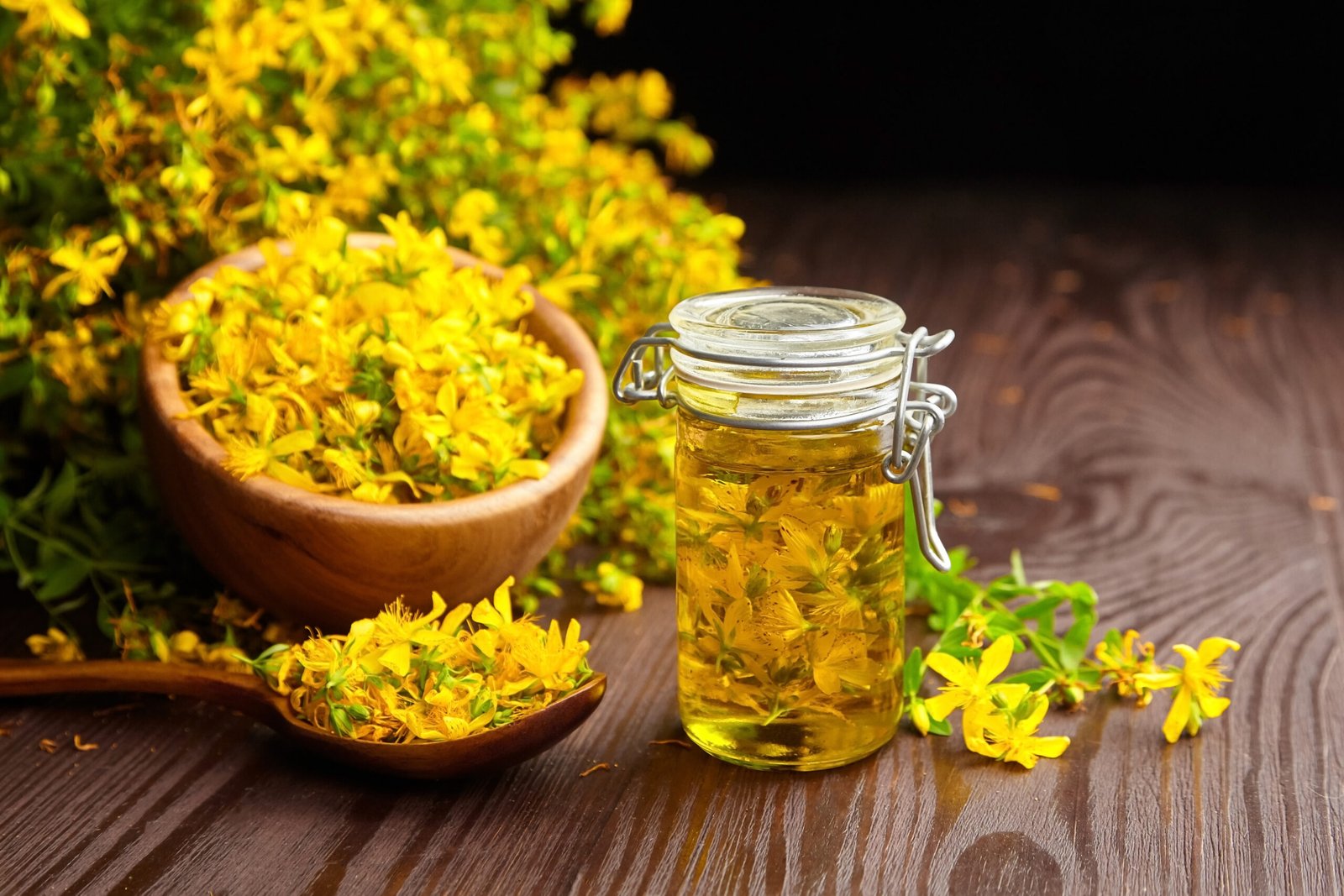
One of the joys of herbal infused oils is their flexibility. A well-made infused oil can be kept simple and used on its own as a body or massage oil. It can also become the foundation for richer preparations, including balms, salves, creams, ointments and lip balms.
For example, an infused oil can be blended with beeswax or plant-based wax to create a firmer balm. It can be combined with butters such as shea or cocoa butter for a more nourishing texture. It may also be paired with suitable essential oils for fragrance, provided they are used safely and in appropriate dilutions.
In a workshop setting, this makes infused oils particularly rewarding. You can learn one core skill, then see how that skill opens the door to many different preparations. It is also a calming, tactile process. Measuring, mixing, straining, bottling and labelling encourage you to slow down and connect with the materials in front of you.
Calendula Oil: A Traditional Skin Care Favourite
In many beginner workshops, calendula oil is used as the main example of a herbal infused oil. Calendula, also known as marigold, has a long history of traditional use in skin care. Its bright orange petals are easy to recognise, beautiful to work with and well suited to oil-based preparations.
Calendula is often chosen because it is gentle, familiar and widely appreciated in natural skin care. When infused into a carrier oil, it creates a golden oil that can be used as a simple body oil or transformed into a balm. The finished preparation is commonly used as part of a general skin care routine, particularly where people want a plain, botanical alternative to strongly fragranced commercial products.
As with all herbal preparations, it is important not to assume that natural means suitable for everyone. Patch testing is wise, especially for those with sensitive skin or a history of allergies. Calendula belongs to the daisy family, so anyone with known sensitivities to plants in that family should take extra care and seek guidance if unsure.
The Solar Method for Herbal Infused Oils
The solar method is the slow, traditional way of making herbal infused oils. Dried herbs are placed in a clean, dry glass jar and covered fully with a carrier oil. The jar is then sealed, labelled and left in a warm, bright place for several weeks. It is usually shaken or turned gently every day or two to keep the plant material moving through the oil.
Many people enjoy the solar method because it feels unhurried and seasonal. There is something satisfying about watching the oil gradually take on colour and character. It is also a method that suits many home makers because it does not require specialist equipment.
Good hygiene is essential. Jars should be thoroughly clean and completely dry before use. Dried herbs are often preferred because water content in fresh plant material can increase the chance of spoilage. If fresh herbs are used, they are commonly allowed to wilt first so that some moisture evaporates. The herb should remain fully covered by oil during the infusion period.
Once the oil has infused, it is strained through muslin or a fine cloth into a clean, dry bottle. The bottle should be labelled with the plant, carrier oil and date. It is best stored in a cool, dark place and checked regularly for any changes in smell, texture or appearance.
The Heat Method for Herbal Infused Oils
The heat method speeds up the process while still taking several hours. Instead of leaving the herbs to infuse slowly over weeks, the herb and oil are gently warmed together at a low temperature. This can be done using a bain-marie, slow cooker or other controlled low-heat method.
The important word is gentle. The aim is not to fry the herb or overheat the oil. Excessive heat can affect the quality of the carrier oil and may alter the delicate qualities of the plant material. Slow, steady warmth encourages extraction without rushing the process too harshly.
The heat method can be useful in a workshop because it allows participants to see more of the process in one session. While a solar infusion needs time, a gently warmed infusion can demonstrate the key stages: combining herb and oil, warming, observing colour change, straining and using the infused oil in a finished product.
After heating, the oil is strained carefully, bottled and labelled in the same way as a solar infused oil. Again, cleanliness matters. Any equipment that touches the oil should be clean and dry, and the finished oil should be stored away from heat and direct light.
Choosing a Carrier Oil
The carrier oil is not just a blank base. It affects the feel, scent, colour, shelf life and skin feel of the finished infused oil. Olive oil is rich and traditional, with a distinctive aroma. Sunflower oil is lighter and widely available. Sweet almond oil has a pleasant skin feel, although it is not suitable for those with nut allergies. Jojoba oil is technically a liquid wax and is valued in skin care for its stability.
There is no single perfect carrier oil for everyone. The best choice depends on the intended use, personal preference, skin type, allergies and budget. For a balm, a slightly richer oil may feel comforting. For a massage blend, a lighter oil with good glide may be preferred.
At Budd’s Herbal Apothecary, Wendy Budd brings over 20 years of clinical herbalism practice to conversations like these. As a professionally trained Medical Herbalist with a BSc (Hons) in Herbal Medicine and registered membership of the National Institute of Medical Herbalists, Wendy’s approach is thoughtful, personalised and rooted in high-quality botanicals. In practical workshops, this experience helps participants understand not only how to make something, but why certain choices may suit different situations.
Turning Calendula Oil Into a Simple Herbal Balm
Once an infused oil is ready, one of the simplest next steps is to turn it into a balm. A balm is usually made by combining an oil with a wax, then allowing it to cool and set. Beeswax is the traditional choice, although plant-based waxes such as candelilla can be used for vegan formulations. The ratio of oil to wax determines the texture. More wax gives a firmer balm, while less wax creates a softer finish.
A very simple workshop-style balm might use calendula infused oil and beeswax. The wax is melted gently with the infused oil, then the mixture is poured into a clean tin or jar and left to set. Once cool, it becomes a portable skin care product that can be applied externally as part of a personal care routine.
This is where the creativity begins. Some people prefer a plain, unscented balm. Others may add a tiny amount of suitable essential oil for fragrance. If essential oils are used, they should be chosen carefully and diluted appropriately. They are highly concentrated and not automatically suitable for children, pregnancy, certain health conditions or sensitive skin.
Making a Natural Perfume Balm
Infused oils can also be used to make a natural perfume balm. This offers an alternative to heavily fragranced synthetic products and allows you to create a more personal scent. A perfume balm is usually made with an oil, wax and aromatic materials, then applied sparingly to pulse points.
Unlike a spray perfume, a balm sits close to the skin and tends to have a softer scent. This can be appealing for people who prefer subtle fragrance or want to avoid overpowering aromas. Natural perfume blending also encourages a more mindful approach to scent, using notes such as citrus, floral, resinous, woody or herbal aromas.
Safety still matters. Citrus oils can sometimes increase sensitivity to sunlight, depending on the type and how they are produced. Some essential oils are not suitable for everyone. A qualified herbalist or aromatherapy professional can help guide sensible choices, especially for those with allergies, sensitive skin or particular health considerations.
Water Extracts, Oil Extracts and Whole-Plant Thinking
A key principle in herbal preparation is that plants contain many different types of constituents. Some are better extracted into water, while others are better extracted into fat or alcohol. A herbal tea mainly captures water-soluble constituents. A herbal infused oil focuses on fat-soluble constituents. Neither method is automatically better. They are simply different tools.
This is why herbalists often think carefully about preparation methods. The same plant may be used in different ways depending on what is being made. Later, water-based and oil-based extracts can also be combined in preparations such as creams. A cream is an emulsion, meaning it brings water and oil phases together. This can create a broader whole-plant preparation when carefully formulated.
For home makers, this principle is empowering. It explains why a tea will not behave like an oil, why an oil will not extract the same range of compounds as water, and why balms are different from creams. It also encourages respect for the craft. Simple preparations can be beautiful, but they still benefit from care, cleanliness and good judgement.
Practical Tips for Making Herbal Infused Oils at Home
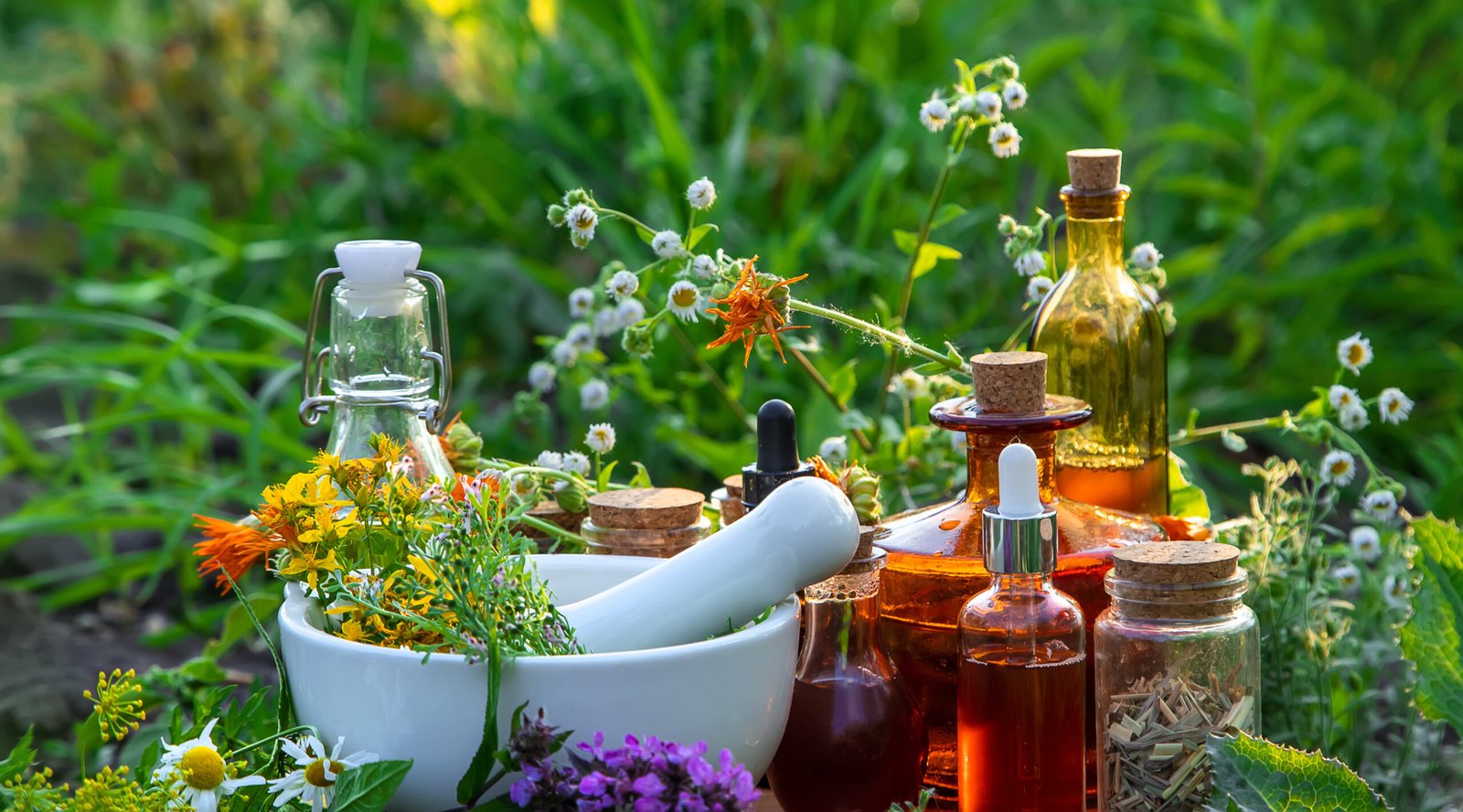
If you are making infused oils at home, start small. Use good-quality dried herbs, a fresh carrier oil and a clean, dry jar. Label everything clearly with the date, plant name and oil used. Keep notes so you can learn from each batch.
Make sure the herb is fully covered by oil throughout the infusion. If plant material sits above the oil, it may spoil more easily. Use your senses when checking the finished oil. If it smells rancid, looks cloudy in an unusual way, or shows any signs of mould or fermentation, do not use it.
Store infused oils in dark glass bottles if possible, away from heat and sunlight. Shelf life depends on the carrier oil, the dryness of the herb, cleanliness during preparation and storage conditions. When in doubt, make smaller batches more often rather than keeping large amounts for a long time.
Remember that homemade skin care products are for personal use. If you intend to sell cosmetic products in the UK, you must follow the relevant cosmetic safety and labelling regulations. This includes safety assessment and appropriate product information. A workshop can be a lovely way to learn for personal enjoyment, but commercial production requires additional compliance.
Learning at Budd’s Herbal Apothecary in Portsmouth
Budd’s Herbal Apothecary was founded by Wendy Budd in 2012 and has become known for its calming atmosphere, personalised service and carefully prepared botanical products. The apothecary offers ready-made herbal remedies, teas, tinctures, topical preparations, essential oils and wellness products, as well as tailored formulations and holistic consultations.
Wendy’s clinical approach looks at the whole person, including diet, lifestyle and emotional wellbeing, rather than focusing only on isolated concerns. She is also recognised by the Nutrition Network and has completed Carnivore and Ketogenic nutrition training, adding further depth to her understanding of individual wellbeing choices.
Workshops on preparations such as infused oils and balms are a natural extension of this ethos. They give people the chance to learn traditional skills in a welcoming environment, ask questions, handle high-quality botanicals and leave with something they have made themselves.
Final Thoughts on Herbal Infused Oils
Herbal infused oils are a beautiful bridge between traditional herbal knowledge and everyday skin care. By macerating herbs in a carrier oil, you can create a versatile external preparation that may be used on its own or transformed into balms, salves, creams and natural perfume balms.
Calendula is a classic starting point because of its traditional association with skin care and its suitability for simple infused oil making. Whether prepared slowly by the solar method or more quickly with gentle heat, a well-made infused oil teaches an important lesson: different plant constituents prefer different solvents. Water draws out some qualities, oil draws out others, and skilled preparation is about choosing the right method for the purpose.
If you would like to explore this craft in a calm, supportive setting, Budd’s Herbal Apothecary in Portsmouth offers a welcoming place to begin. As always, use herbal preparations thoughtfully, patch test new products, and seek professional advice if you have specific skin concerns, allergies, are pregnant, or are making products for children.