
Fructose Effects on Fatty Liver and Uric Acid
Blog Contents
Fructose Effects on Fatty Liver and Uric Acid
Fructose has become one of the most talked-about sugars in nutrition, and for good reason. It is naturally present in fruit, honey and some vegetables, yet it is also found in many sweetened drinks, processed foods, desserts and syrups. The issue is not that fruit is “bad” or that a single sweet food ruins health. The real question is dose, delivery and how often the liver is asked to process rapidly absorbed sugar.
At Budd’s Herbal Apothecary on Albert Road in Portsmouth, we often meet people who are trying to understand their energy, digestion, appetite, food choices and wider wellbeing. As a medical herbalist, Wendy Budd looks at the whole person, including diet, lifestyle, emotional wellbeing, sleep and daily routines. This article is for education only and is not a diagnosis or treatment plan. If you have liver disease, gout, diabetes, kidney disease or raised blood pressure, speak with your GP or book a consultation with Wendy before changing your diet or supplements.
Fructose effects: why dose and delivery matter
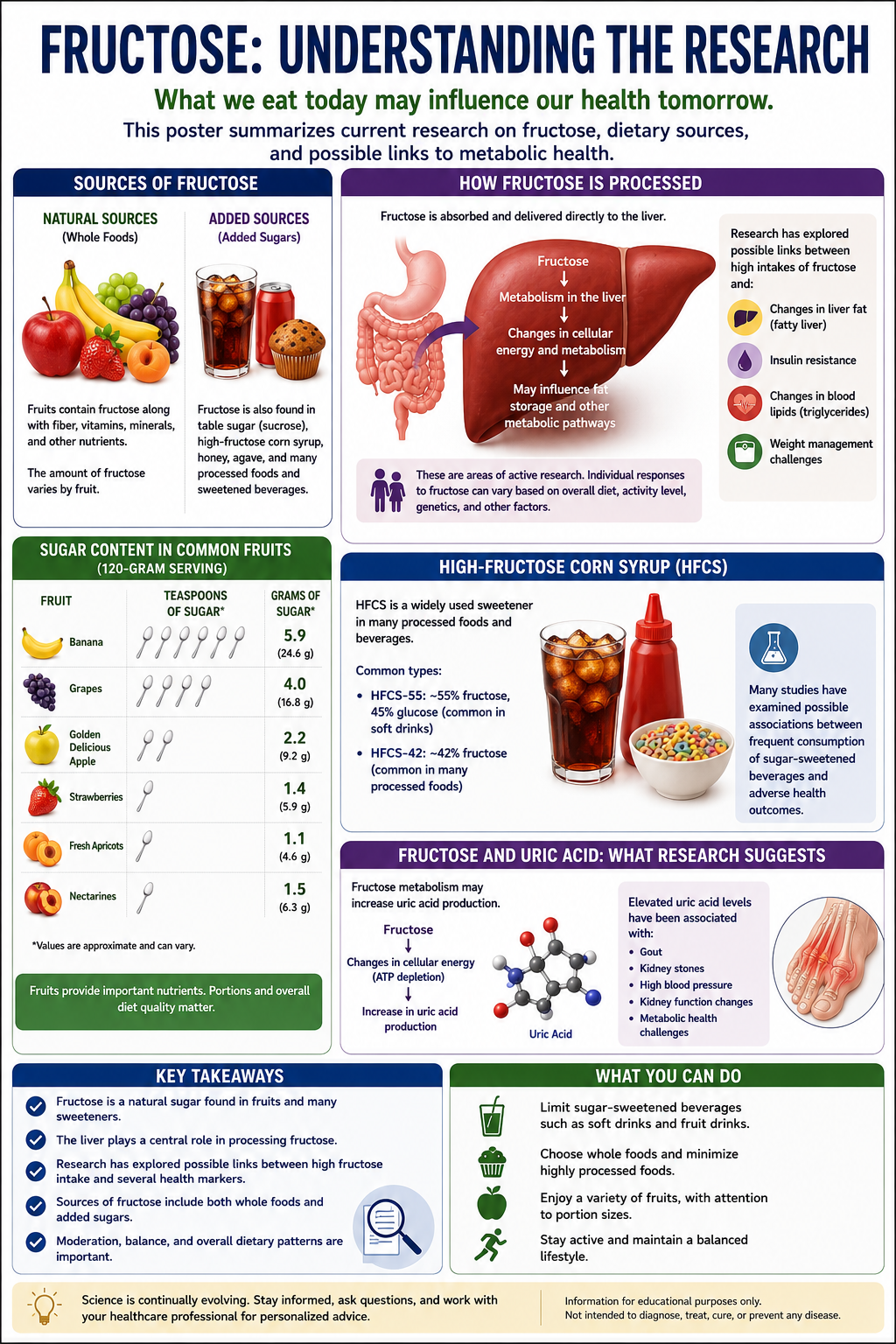
Fructose effects can be different from the effects of glucose. Glucose can be used by many cells in the body, while fructose is processed mainly in the liver. That matters most when fructose arrives quickly and in large amounts, such as in fizzy drinks, energy drinks, fruit juice, sweetened coffees, sweets, pastries and ultra-processed foods.
When the liver receives more fructose than it needs, some of it may be converted into fat through a process called de novo lipogenesis, which means “new fat creation”. This is one reason researchers have become interested in the relationship between high intakes of added sugar, liver fat, triglycerides, appetite signals and metabolic health.
This does not mean fructose should be viewed as a poison. It means context matters. A small serving of berries with breakfast is not the same as a large bottle of sugary drink. Whole fruit comes with fibre, water, vitamin C, potassium, polyphenols and a structure that slows absorption. Liquid sugar is much easier to overconsume because it does not create the same fullness as chewing food.
Fatty liver and added sugar: the liver connection
Fatty liver, now often referred to as MASLD as well as NAFLD, describes a build-up of excess fat in the liver that is not mainly due to alcohol. It is commonly linked with weight, insulin resistance, type 2 diabetes risk, raised triglycerides and wider metabolic health. Many people do not know they have it because early stages may not cause obvious symptoms.
Research into fructose has helped explain why sugary drinks and frequent added sugars may place extra pressure on the liver. Fructose bypasses some of the normal control points that slow down glucose metabolism. This can make it easier for excess sugar to be turned into triglycerides, especially when combined with a high-calorie diet, low activity, poor sleep and frequent ultra-processed foods.
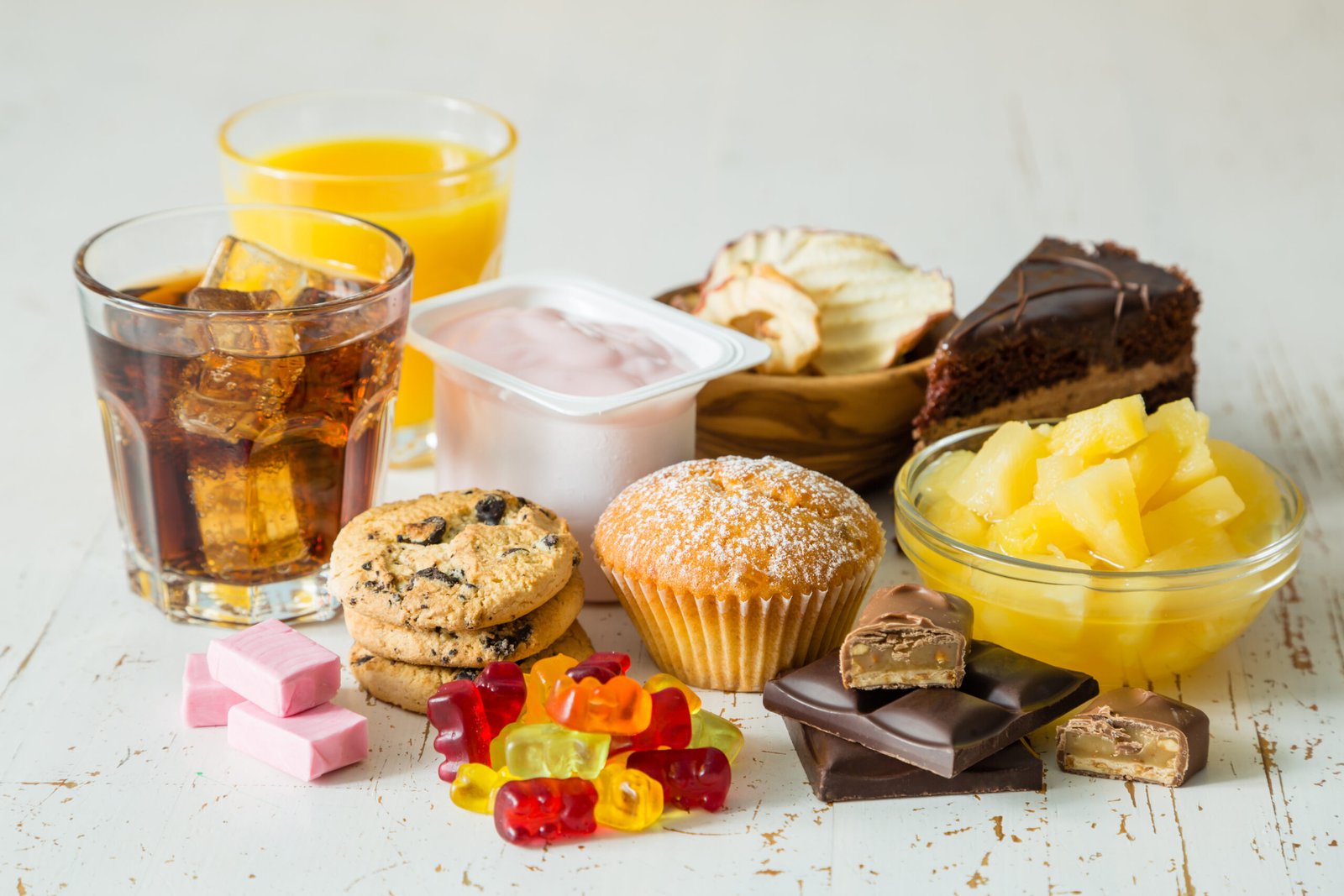
The practical point is not to panic about every gram of sugar. It is to notice the main sources of free sugars in everyday life. These often include fizzy drinks, fruit juice, smoothies, sweetened yoghurts, breakfast cereals, biscuits, cakes, cereal bars, sauces and “healthy” snacks that are still sweetened. In the UK, even unsweetened fruit juice and smoothies count as sugary drinks and are best kept to small portions.
Uric acid, gout and sugary drinks
Uric acid is a natural waste product formed when the body breaks down purines. When levels are high, uric acid can form crystals in joints, which is associated with gout. Food, alcohol, kidney function, genetics, hydration, body weight and some medicines can all influence uric acid levels.
Fructose is interesting because its metabolism can rapidly use cellular energy, known as ATP. This process may increase the breakdown of compounds that contribute to uric acid production. For this reason, researchers have looked closely at the connection between sugar-sweetened drinks, fruit juice, high-fructose corn syrup and gout risk.
What Dr Richard Johnson’s fructose research adds
Dr Richard Johnson’s work has been influential because it looks beyond simple calorie counting. His research explores how fructose metabolism may influence cellular energy, uric acid production, oxidative stress, hunger signals and fat storage. He has described this as a possible activation of a “fat switch”, a survival pathway that may once have helped humans store energy during times of scarcity.
In modern life, scarcity is rarely the issue. Many people are surrounded by sweet drinks, snack foods, refined carbohydrates and constant eating opportunities. Dr Johnson’s “fructose survival hypothesis” suggests that a pathway once useful for survival may become less helpful when sugar is available every day, often in industrial quantities.
It does suggest that reducing concentrated added sugars and excessive fruit may be a sensible step for people who want to support metabolic wellbeing. It also reminds us that appetite, cravings and weight are not simply about willpower. Biology, environment, stress, sleep, hormones, food quality and habit all play a part.
High-fructose corn syrup, table sugar and hidden sweeteners
High-fructose corn syrup is a manufactured sweetener made from corn starch. It is commonly used in soft drinks and processed foods in countries where it is cheap and widely available. Table sugar, also called sucrose, is made from glucose and fructose. The concern is not that one sweetener alone explains all modern metabolic problems. The concern is the total load of rapidly absorbed added sugars.
In UK food labels, you may also see glucose-fructose syrup, fruit juice concentrate, invert sugar syrup, dextrose, maltose, golden syrup, agave syrup, honey, molasses and other sweeteners. These may sound different, but many still contribute to free sugar intake. A simple label check can be surprisingly revealing, especially on sauces, cereals, flavoured yoghurts, drinks, snack bars and ready meals.
Is fruit bad for you?
For most people, whole fruit can be part of a balanced diet. Choosing fruits that are less high in fructose such as berries, fresh apricots and nectarines.
Whole fruit is chewed, usually takes longer to eat and contains fibre and water. Fruit juice removes much of the chewing and often concentrates several pieces of fruit into one glass. If you are watching sugar intake, lower-sugar fruits such as raspberries, strawberries, blackberries, kiwi, apricots and nectarines may be useful choices. Higher-sugar fruits such as grapes, mangoes, bananas, cherries and dried fruit can still fit, but portions may matter more, particularly for people managing blood sugar or gout under medical guidance.
Simple ways to reduce added fructose without feeling deprived
Start with drinks. Swap fizzy drinks, energy drinks and large glasses of juice for water, sparkling water with lemon, unsweetened herbal tea or diluted no-added-sugar options. If you enjoy juice, keep it small and occasional rather than using it as a daily thirst-quencher.
Build meals around protein, vegetables, healthy fats and fibre-rich carbohydrates. This can help meals feel more satisfying and may reduce the urge to graze on sweet snacks. For example, try eggs with mushrooms and spinach, Greek yoghurt with berries and seeds, soup with beans and vegetables, or fish with salad and olive oil dressing.
Read labels on the foods you buy most often. You do not need to become obsessive. Just identify the regular sources of added sugar in your own kitchen. Many people find that breakfast foods, sauces, drinks and snack bars are the easiest places to make a meaningful change.
Keep fruit, nuts, boiled eggs, plain yoghurt, olives, oatcakes or vegetable sticks available so that hunger does not automatically lead to biscuits or sweets. The aim is not perfection. It is to make the easier choice a little more supportive, most of the time.
Children, sweet drinks and modern eating habits
Children are often exposed to more sweetened foods and drinks than previous generations. Juice boxes, sports drinks, sweet cereals, flavoured yoghurts, sweets, cakes and ultra-processed snacks can add up quickly. Because children are growing, active and developing food preferences, it is especially important to avoid turning sugar including fructose into an everyday default.
A helpful approach is to focus on what to add rather than only what to remove. Offer water routinely, include protein at breakfast, add colourful vegetables where possible and keep whole fruit available. Children do not need fear-based messages about food. They need steady habits, enjoyable meals and adults who model balance.
A holistic herbal perspective
Herbal medicine is not a replacement for medical assessment, blood tests or prescribed medicines. However, a holistic consultation can help someone step back and look at the wider picture: digestion, sleep, stress, appetite, energy, food patterns, menstrual or hormonal changes, medication history and everyday routines.
At Budd’s Herbal Apothecary, Wendy Budd hand-blends teas, tinctures and topical preparations using high-quality botanicals where appropriate. Any herbal approach should be personalised, especially if you take medication, are pregnant, breastfeeding, have a diagnosed condition or are awaiting tests. Herbs are active substances and need to be chosen carefully.
For many people, the first step is not a complicated protocol. It is understanding the patterns that may be placing strain on the body. Reducing frequent sweet drinks, eating more whole foods, supporting sleep, managing stress and asking for professional guidance can all be part of a more grounded approach to wellbeing.
When to seek medical advice
If you have been told you have raised liver enzymes, fatty liver, high uric acid, gout, type 2 diabetes, kidney disease or high blood pressure, speak with your GP before making major dietary changes. Sudden symptoms such as severe abdominal pain, yellowing of the skin or eyes, unexplained weight loss, vomiting blood, confusion or severe joint pain need prompt medical attention.
Fructose is not the whole story, but it is an important part of the modern food conversation. The main message is simple: keep whole fruit in perspective, be cautious with liquid sugar, reduce frequent ultra-processed sweet foods and look at your health as a whole rather than one nutrient in isolation.
If you would like personalised support, Budd’s Herbal Apothecary in Portsmouth offers holistic consultations that consider diet, lifestyle and wellbeing alongside traditional herbal knowledge with blood tests to guide the way.