Medical Herbalist vs Homeopath: Explained by a Medical Herbalist
Blog Contents
One of the most common questions I am asked at Budd’s Herbal Apothecary in Portsmouth is whether I practise homeopathy. It is an understandable question. Both herbal medicine and homeopathy are often grouped under the umbrella of “natural medicine”, and to many people they can appear similar at first glance.
However, the distinction between a medical herbalist vs homeopath is significant. The two systems differ in their history, philosophy, preparation methods, and scientific foundations.
I am a Medical Herbalist, not a homeopath. Let me explain what that means, and why understanding the difference matters.
I Am a Medical Herbalist, Not a Homeopath
As a professionally trained Medical Herbalist with a BSc (Hons) in Herbal Medicine and over 20 years of clinical experience, my work centres on plant-based medicine. I am a registered member of the National Institute of Medical Herbalists and practise holistic consultations from our independent apothecary on Albert Road in Portsmouth.
Although herbal medicine and homeopathy are sometimes discussed together, they are fundamentally different systems. When people search for medical herbalist vs homeopath, they are usually trying to understand whether the therapies are interchangeable. They are not. However they can work well together.
To clarify the difference, we need to look at each system individually.
Herbal Medicine: Plant-Based Pharmacology
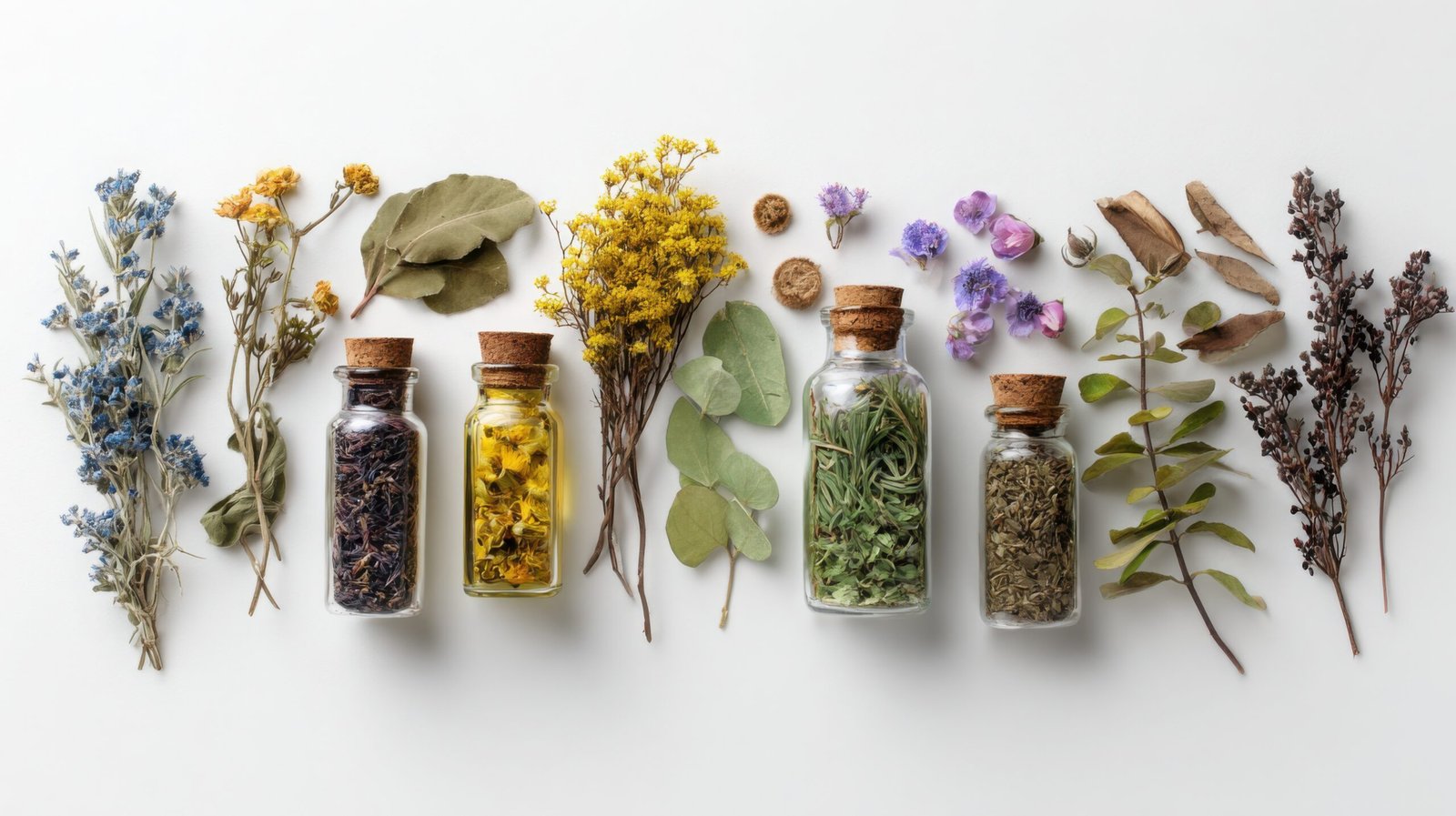
Herbal medicine is one of the oldest forms of healthcare in the world. Plants have been used therapeutically for thousands of years across cultures including ancient Greece, China and India. Early physicians documented plant preparations carefully, observing their effects and refining their use.
Modern herbal medicine, often referred to as phytotherapy, uses whole plants or extracts that contain measurable, biologically active constituents. These constituents include:
- Alkaloids
- Flavonoids
- Glycosides
- Essential oils
- Tannins
- Saponins
These compounds interact with human physiology in ways that can be studied and measured through biochemistry and pharmacology.
Plants and Modern Medicine
Many modern medicines were originally derived from plants. For example:
- Willow bark contributed to the development of aspirin
- Foxglove contributed to the development of digoxin
- Opium poppy contributed to the development of morphine
This does not mean herbal medicine and pharmaceutical medicine are identical, but it demonstrates that plant chemistry has played a foundational role in modern medicine.
As a medical herbalist, I work directly with plant chemistry. The herbs I prescribe contain active molecules in measurable quantities. Because of this, professional training is essential. Herbal medicines require knowledge of:
- Appropriate dosing
- Contraindications
- Drug–herb interactions
- Individual constitution and health history
Herbs are powerful precisely because they contain biologically active constituents. They are not inert substances.
Homeopathy: A Different Therapeutic System
Homeopathy was founded in 1796 by Samuel Hahnemann, a German doctor who was dissatisfied with the medical practices of his era. At that time, treatments such as bloodletting were common and often harmful.
Homeopathy is based on two central principles:
- Like cures like. A substance that causes symptoms in a healthy person can be used to address similar symptoms in someone who is unwell.
- Extreme dilution. Remedies are diluted repeatedly in water or alcohol, often to the point where no measurable molecules of the original substance remain.
Many homeopathic preparations are diluted far beyond Avogadro’s number, meaning it is unlikely that even a single molecule of the starting substance remains in the final solution.
Homeopathy proposes that water retains a memory of substances once dissolved in it. This concept does not align with established principles of chemistry or physics.
Unlike herbal medicine, homeopathy does not rely on pharmacologically active doses of material substances.
Medical Herbalist vs Homeopath: Scientific Perspective
From a scientific standpoint, herbal medicine and homeopathy are assessed very differently.
Herbal medicine operates within the framework of biochemistry. The plants used contain identifiable compounds that can be analysed, standardised, and studied. Some herbs have a substantial body of clinical research supporting their traditional use, while others require further study. Importantly, their mechanisms are biologically plausible and measurable.
Homeopathy, by contrast, has not demonstrated consistent effects beyond placebo in high-quality systematic reviews. Its proposed mechanism does not align with established chemical principles.
This difference is central to the discussion of medical herbalist vs homeopath. One system works with active plant chemistry. The other works with highly diluted preparations based on a philosophical principle of similarity.
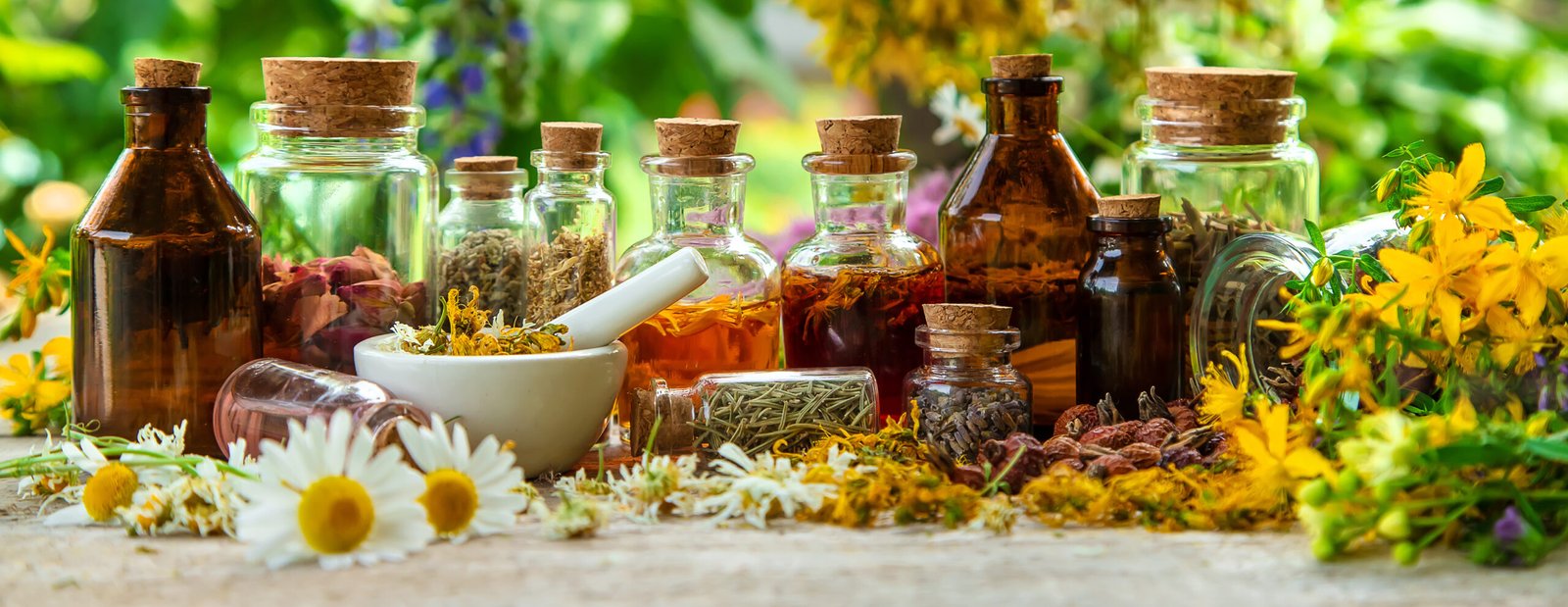
Difference between herbalist and homeopath shown in an image showing herbal tinctures with herbs and homeopathic blends
Why the Distinction Matters
Some people assume that all natural therapies function in the same way. However, the distinction has practical implications.
When I say I am a Medical Herbalist, I mean:
- I use plants that contain active compounds
- I base my work on physiology and pharmacology
- I consider safety, dosage, and current evidence
- I undertake detailed health consultations
- I look at diet, lifestyle and emotional wellbeing as part of holistic assessment
Homeopathy is an entirely separate therapeutic system with its own philosophy and training pathway. It does not involve herbal pharmacology, nor does it use measurable plant constituents in therapeutic amounts.
Both may be described as natural, but that word can obscure meaningful differences.
How Herbal Consultations Work in Practice
At Budd’s Herbal Apothecary, consultations are personalised and holistic. Rather than focusing solely on symptoms, I explore potential underlying triggers and contributory factors. This may include discussing:
- Diet and nutritional status
- Stress and emotional wellbeing
- Sleep patterns
- Digestive health
- Lifestyle factors
- Current medications
Formulations are tailored to the individual. This can include hand-blended herbal teas, tinctures, or topical preparations created using high-quality botanicals. Each formulation reflects the person’s broader health context.
This approach differs from purchasing an off-the-shelf homeopathic remedy selected solely on symptom similarity.
Regulation and Professional Standards in the UK
In the United Kingdom, herbal medicine and homeopathy are regulated differently.
Medical herbalists who are members of recognised professional bodies such as the National Institute of Medical Herbalists adhere to strict codes of conduct, professional standards, and ongoing continuing professional development. Training typically involves degree-level study in anatomy, physiology, pathology, and pharmacology.
Homeopathy training routes vary and are often separate from biomedical sciences.
When considering medical herbalist vs homeopath, it is helpful to look at the practitioner’s qualifications, professional registration, and training background.
In Simple Terms
The difference can be summarised clearly:
Herbal medicine is plant-based medicine grounded in chemistry.
Homeopathy is a dilution-based system grounded in the principle of symptom similarity.
As a medical herbalist, I work with whole plants and extracts that contain active constituents. These constituents can be measured, studied and understood within the context of modern science.
Homeopathy does not operate on that same pharmacological basis.
Choosing the Right Approach for You
There is no obligation to choose one approach over another unless you feel informed and comfortable with your decision. However, clarity is important.
If you are looking for plant-based formulations prepared with an understanding of pharmacology, safety, and physiology, you are looking for a Medical Herbalist.
If you are interested in a system based on dilution and the principle of like cures like, that is homeopathy.
Understanding the distinction allows you to make an informed choice about the type of support you seek.
Final Thoughts
The phrase herbal medicine vs homeopathy appears frequently in online searches because people want clarity. The two professions may both fall under the broad category of complementary therapies, but they are not the same.
As a Medical Herbalist, I practise plant-based medicine rooted in traditional knowledge and informed by modern science. I consider the whole person, not only the presenting concern. I formulate using herbs that contain active chemical constituents, respecting both their potential and their limitations.
And that distinction truly does matter.
If you would like to learn more about personalised herbal consultations in Portsmouth, you are always welcome to visit Budd’s Herbal Apothecary or arrange an appointment to discuss your individual needs.