
Mitochondrial Health and Ketogenic Diet for Metabolic Health
Blog Contents
Mitochondrial Health and Ketogenic Diet for Metabolic Health
For years, many of us working in metabolic health have been talking about insulin resistance, blood sugar regulation, ketones, energy production and mitochondrial function. Until recently, these subjects often remained outside everyday health conversations. That is beginning to change.
In July 2026, The Diary of a CEO released two major episodes exploring mitochondria and metabolic health. Steven Bartlett interviewed mitochondrial scientist Dr Martin Picard about energy, stress, ageing, mental wellbeing and the role of mitochondria. This was followed by a conversation with Professor Thomas Seyfried, whose work explores cancer through a mitochondrial and metabolic lens.
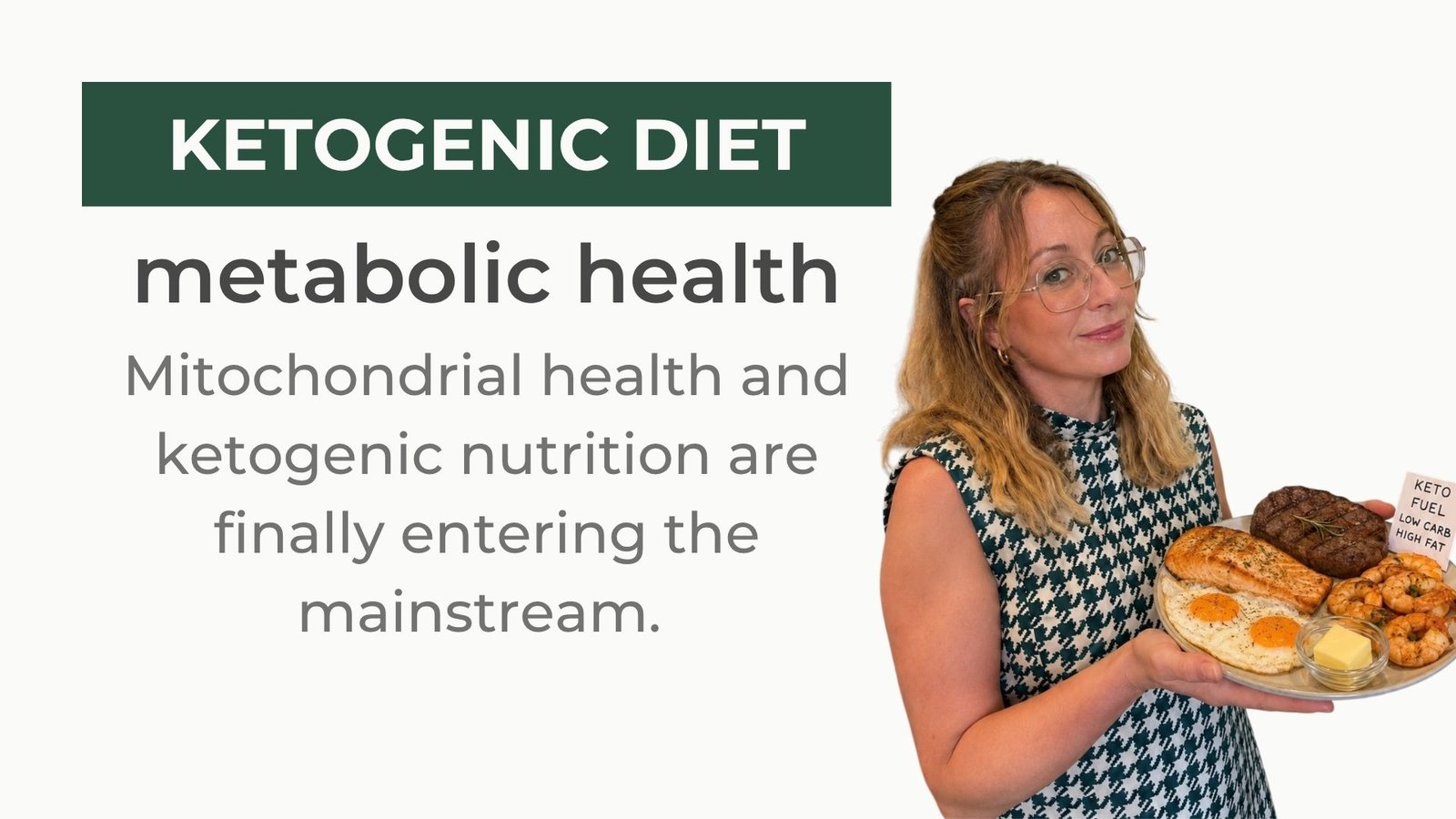
Seeing these conversations reach such a large audience is enormously encouraging. mitochondrial health, metabolic flexibility and ketogenic nutrition are no longer confined to specialist conferences, scientific papers and small health communities. They are becoming part of the wider wellness conversation.

Why Mitochondrial Health Is Finally Entering the Mainstream
Mitochondria are tiny structures found inside nearly all our cells. They help convert nutrients and oxygen into adenosine triphosphate, or ATP, which is the energy currency used for muscle contraction, nerve signalling, cellular repair and many other processes.
However, mitochondria do much more than produce energy. They are involved in calcium regulation, hormone production, cellular communication and the controlled removal of damaged cells. They also contain a small amount of their own genetic material.
Different tissues contain different numbers of mitochondria. Organs with high energy requirements, including the brain, heart, liver and muscles, are particularly dependent on healthy mitochondrial function. This is why mitochondrial health is relevant to far more than whether we feel tired. It sits at the centre of metabolism, physical performance, concentration, resilience and healthy ageing.
As interest grows, there is also a risk of oversimplification. Mitochondria have become a fashionable subject in longevity and wellness, which has led to expensive supplements, intravenous treatments, testing kits and supposed mitochondrial hacks. Some may have a place in specific circumstances, but many are marketed with far more confidence than the evidence currently supports.
The positive side is that more people are beginning to understand that health is created at a cellular level. The less helpful side is the suggestion that mitochondrial health can simply be bought in a bottle. In reality, some of the most useful tools are remarkably ordinary: movement, sleep, appropriate nutrition, strength training, daylight, stress management and reducing ultra-processed foods.
Exercise, Sleep and Simple Foundations of Metabolic Health
Exercise is one of the strongest known stimulators of mitochondrial adaptation. Endurance exercise and regular movement can encourage changes associated with mitochondrial biogenesis, the process by which the body produces and develops mitochondria. Resistance training also matters because muscle is metabolically active tissue and plays an important role in glucose management.
Walking after meals, lifting weights, cycling, swimming, gardening or simply increasing daily steps can all be valuable depending on the person. The best form of movement is often the one that can be repeated consistently.
Sleep is another foundation. Poor sleep can influence appetite, cravings, stress hormones, blood glucose regulation and food choices. Stress also has a metabolic cost. Remaining constantly alert, anxious or overstimulated can place demands on the body that affect energy, digestion and recovery.
Metabolic health is not created by one supplement, one diet or one wearable score. It is created by the repeated signals we give the body each day.
Metabolic Health and Metabolic Flexibility
metabolic health is a broad term, but it often refers to how well the body manages blood glucose, insulin, body fat, blood pressure, lipids, energy production and inflammation. One useful concept within this field is metabolic flexibility.
A metabolically flexible person can move between using glucose and fat for energy according to what is available and what the body requires. During fasting or carbohydrate restriction, the liver can convert fatty acids into ketone bodies. These ketones can then be used as an alternative fuel by many tissues, including the brain.
This is a normal human metabolic state known as nutritional ketosis. It is important not to confuse nutritional ketosis with diabetic ketoacidosis. They are very different. Nutritional ketosis is a controlled physiological response. Diabetic ketoacidosis is a dangerous medical emergency, most often associated with severe insulin deficiency.
Modern eating patterns often provide carbohydrates from the moment we wake until shortly before bed. Breakfast cereals, bread, snacks, sweetened drinks, pasta, biscuits, desserts and convenience foods can create repeated demands for insulin. For people who are already insulin resistant, reducing that carbohydrate load may be one way to support blood glucose control, appetite regulation and access to stored body fat.
Ketogenic Diet: What It Is and Why It Matters
A ketogenic diet is a very low-carbohydrate way of eating that encourages the body to produce ketones. It usually includes foods such as meat, fish, eggs, natural fats, some dairy, herbs and selected low-carbohydrate vegetables. The exact structure varies from person to person.
Ketogenic nutrition is not simply a weight loss trend. It is a metabolic tool. For some people, it may help create steadier energy, improved appetite control and fewer cravings. For others, it may not be appropriate or may need careful adaptation.
Type 2 diabetes was once widely described as inevitably progressive. We now know that remission is possible for some people, although remission does not mean the condition has been permanently cured. It generally means blood glucose has returned below the diabetic threshold for a sustained period without glucose-lowering medication. Continued monitoring remains important because blood glucose may rise again.
Diabetes UK acknowledges that low-carbohydrate diets can help some people achieve type 2 diabetes remission, particularly when the approach supports meaningful and sustained weight loss. Reviews also report improvements in body weight, insulin resistance, HbA1c and medication requirements among some people following low-carbohydrate or ketogenic diets. Results vary, and long-term success depends on adherence, individual response and ongoing support.
Prediabetes is also an important window of opportunity. It is a warning that blood glucose regulation is deteriorating, but it does not have to be an inevitable journey towards type 2 diabetes. Early changes to diet, movement, sleep, body composition and meal timing may improve the overall metabolic picture.
Anyone using insulin, sulphonylureas or other glucose-lowering medication must obtain appropriate medical support before substantially reducing carbohydrates. Medication may need to be adjusted quickly to avoid dangerously low blood glucose.
My Personal Journey With Ketogenic and Carnivore Eating
I have followed a ketogenic and, more recently, carnivore lifestyle for years. People sometimes ask what keeps me committed to eating this way. The answer is not willpower, weight loss or a desire to follow a trend. It is how I feel.
The changes in my physical wellbeing, mental wellbeing, emotional stability and overall outlook have been powerful enough to keep me committed. I experience greater clarity, steadier energy and a healthier relationship with food.
This lifestyle has also made me examine the enormous role that sugar, refined carbohydrates and ultra-processed foods can play in appetite and compulsive eating. For someone struggling with addictive eating patterns, being told simply to eat everything in moderation may not be helpful. Many modern foods have been intentionally developed to be difficult to stop eating. The combination of refined carbohydrates, fats, flavourings and textures can override normal appetite signals.
Removing these foods can sometimes feel easier than trying to moderate them continually. That does not mean everyone needs the same approach, but it does mean we should be honest about how powerful modern food design can be.
I have completed recognised studies in addictive eating, low-carbohydrate nutrition, diabetes reversal, ketogenic nutrition, carnivore nutrition and cancer as a metabolic disease. These studies have helped me combine scientific understanding with the reality of following this lifestyle myself.
Ketogenic Nutrition and Mental Wellbeing
My own improvement in mental wellbeing has been one of the greatest personal benefits of ketogenic and carnivore eating. Research into ketogenic nutrition and mental health is still developing, but it is attracting serious scientific interest.
Some recent reviews have reported that ketogenic diets may be associated with modest improvements in depressive symptoms, while emphasising the need for larger and better-controlled trials. A small 2024 pilot study involving people with schizophrenia or bipolar disorder reported improvements in metabolic and psychiatric measures following a four-month ketogenic intervention. However, this was an early study and does not establish ketogenic eating as a replacement for psychiatric medication or professional mental healthcare.
Possible mechanisms under investigation include changes in brain energy metabolism, inflammation, oxidative stress, neurotransmitter balance and mitochondrial function. The brain is an extremely energy-demanding organ, so it makes sense that researchers are examining whether altering the fuel available to the brain could influence mood, cognition and neurological function.
Personal experiences matter, but they must sit alongside careful research, individual assessment and safe clinical support.
From Keto to Carnivore: A More Restrictive Approach
A carnivore diet is usually a very low-carbohydrate, animal-based way of eating that removes most or all plant foods. For some people it is used as an elimination approach. For others, it becomes a sustainable long-term lifestyle. My own journey began with ketogenic eating before naturally progressing towards carnivore.
The scientific evidence specifically examining carnivore diets remains much less developed than the evidence for low-carbohydrate or ketogenic diets. Reviews have reported experiences of weight reduction, increased satiety and changes in certain health markers, but the available evidence is still limited and generally of low quality. Potential nutrient gaps and changes in cholesterol require proper consideration.
This does not invalidate the experiences of people who report profound improvements. It means we must distinguish between personal outcomes, clinical observation and what has been demonstrated through long-term controlled research.
Not everyone needs to eat a carnivore diet. Some people do extremely well with a carefully constructed low-carbohydrate diet containing meat, fish, eggs, dairy, herbs and selected low-carbohydrate vegetables. Others may find that a more restrictive elimination approach helps them identify foods that do not suit them.
The right approach is the one that is safe, nutritionally appropriate, sustainable and suited to the individual.
Professor Thomas Seyfried and the Metabolic Theory of Cancer
I have followed the work of Professor Thomas Seyfried for many years. His book, Cancer as a Metabolic Disease, has had a profound influence on how I understand cellular health, energy production and the possible metabolic origins of disease.
Last year, I was lucky enough to meet Professor Seyfried at the Public Health Collaboration annual conference. I took my copy of his book with me and had the great pleasure of asking him to sign it. It was a very special moment for me.
By then, I had already spent years studying low-carbohydrate nutrition, ketogenic diets, food addiction, diabetes reversal, carnivore nutrition and the metabolic theory of cancer. Meeting someone whose research had helped shape so much of my thinking felt like bringing many strands of my professional and personal journey together.
Professor Seyfried’s work proposes that mitochondrial dysfunction and abnormal energy metabolism may play a central role in the development and progression of cancer. The theory challenges the idea that cancer is solely a genetic disease. It suggests that impaired cellular respiration may force cells to rely more heavily on fermentation using fuels such as glucose and glutamine, with genetic mutations developing downstream of this metabolic disruption.
This is a fascinating area of research, but it must be discussed responsibly. There is currently insufficient human evidence to claim that a ketogenic diet can cure cancer or replace surgery, chemotherapy, radiotherapy, immunotherapy or other established cancer treatments. Cancer Research UK and the US National Cancer Institute both state that ketogenic diets remain under investigation and should not be presented as proven cancer treatments.
At the same time, research continues. Laboratory studies, pilot programmes and clinical trials are exploring whether ketogenic metabolic therapies could become useful additions to standard treatment in particular cancers. The correct response is neither blind acceptance nor immediate dismissal. It is further research, honest discussion and carefully monitored clinical investigation.
Personalised Metabolic Support in Portsmouth
There is no single ketogenic plan that will suit everyone. Age, medical history, medication, blood glucose, insulin resistance, thyroid function, digestive health, hormonal health, activity level, food preferences and relationship with eating all matter.
Some people need to reduce carbohydrates gradually. Others do well with a more definite change. Some benefit from monitoring blood glucose or ketones. Some require more protein, while others need to pay greater attention to fat, electrolytes or total energy intake.
This is where personalised support becomes valuable. At Budd’s Herbal Apothecary on Albert Road in Portsmouth, I work with people as a Medical Herbalist with a BSc (Hons) in Herbal Medicine, a registered member of the National Institute of Medical Herbalists and a practitioner with around 20 years of clinical experience. My work looks at the whole person, including diet, lifestyle, emotional wellbeing, symptoms, medication and relevant health history.
Alongside herbal medicine, I have also completed training in ketogenic and carnivore nutrition, and I continue to teach, lecture and support people who want to understand their metabolism more deeply. The aim is never to hand out a generic meal plan. The aim is to help you find an approach that is realistic, safe and appropriate for your life.
Ready to Explore Your Metabolic Health?
You do not have to wait for a diagnosis before taking your metabolic health seriously. If you are dealing with prediabetes, insulin resistance, weight gain, fluctuating energy, cravings, poor concentration or a desire to protect your long-term wellbeing, this may be the right time to act.
You can book a private one-to-one consultation with me to assess your diet, health history, lifestyle, symptoms, medication and relevant blood markers. Together, we can create a personalised and realistic plan to support your metabolic health.
For people who would like education, structure and support within a group, you can also join my six-week Keto Course. Over six weeks, I explain how low-carbohydrate and ketogenic nutrition work, what to eat, how to avoid common mistakes and how to create an approach that is sustainable in real life.
Ketogenic eating may suddenly appear fashionable, but for many of us it is not a passing trend. It is a powerful metabolic tool, a way of reclaiming confidence around food and, for me personally, a lifestyle that has transformed how I feel physically and mentally.
The mainstream conversation may only just be beginning, but some of us have been living and studying these ideas for years.
Medical note: This article is for education only and does not replace individual medical advice. People who are pregnant, breastfeeding, living with type 1 diabetes, receiving cancer treatment, taking glucose-lowering medication or managing significant kidney, liver or eating-disorder concerns should seek appropriately qualified professional support before beginning a ketogenic or highly restrictive diet.